Table of Contents
Customization and Performance of the 2 Cylinder 4 Stroke Gasoline Engine
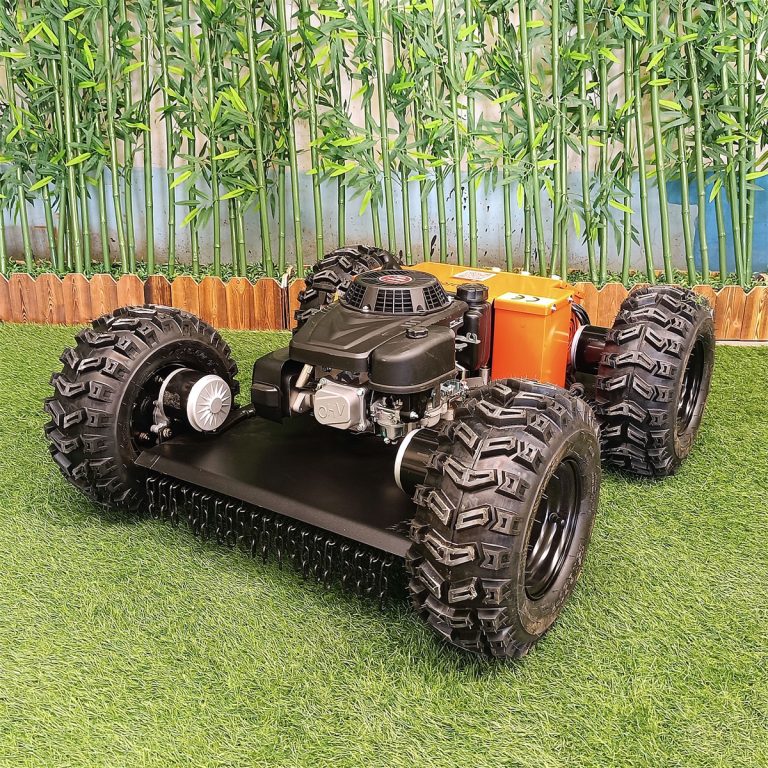
 The innovative 2 cylinder 4 stroke gasoline engine customization color versatile remote control hammer mulcher stands out in the market for its powerful capabilities and customizable features. This machine is equipped with a V-type twin-cylinder gasoline engine, specifically the Loncin model LC2V80FD, which delivers an impressive rated power of 18 kW at 3600 rpm. With a displacement of 764cc, this engine ensures robust performance, making it an ideal choice for various heavy-duty applications.
 Moreover, the engine includes a clutch mechanism that engages only when it reaches a predetermined rotation speed, enhancing operational efficiency. This thoughtful design not only improves power delivery but also prolongs the life of the engine by minimizing unnecessary wear during low-speed operations. Users can expect reliable and sustained performance, whether tackling tough terrain or handling large volumes of material.
Safety is paramount in the design of the 2 cylinder 4 stroke gasoline engine customization color versatile remote control hammer mulcher. The built-in self-locking function ensures that the machine remains stationary unless both power is engaged and throttle is applied. This feature significantly reduces the risk of unintended movement, making it safer for operators to work in various environments, particularly on slopes or uneven ground.
Moreover, the engine includes a clutch mechanism that engages only when it reaches a predetermined rotation speed, enhancing operational efficiency. This thoughtful design not only improves power delivery but also prolongs the life of the engine by minimizing unnecessary wear during low-speed operations. Users can expect reliable and sustained performance, whether tackling tough terrain or handling large volumes of material.
Safety is paramount in the design of the 2 cylinder 4 stroke gasoline engine customization color versatile remote control hammer mulcher. The built-in self-locking function ensures that the machine remains stationary unless both power is engaged and throttle is applied. This feature significantly reduces the risk of unintended movement, making it safer for operators to work in various environments, particularly on slopes or uneven ground.

Versatile Applications and Attachments

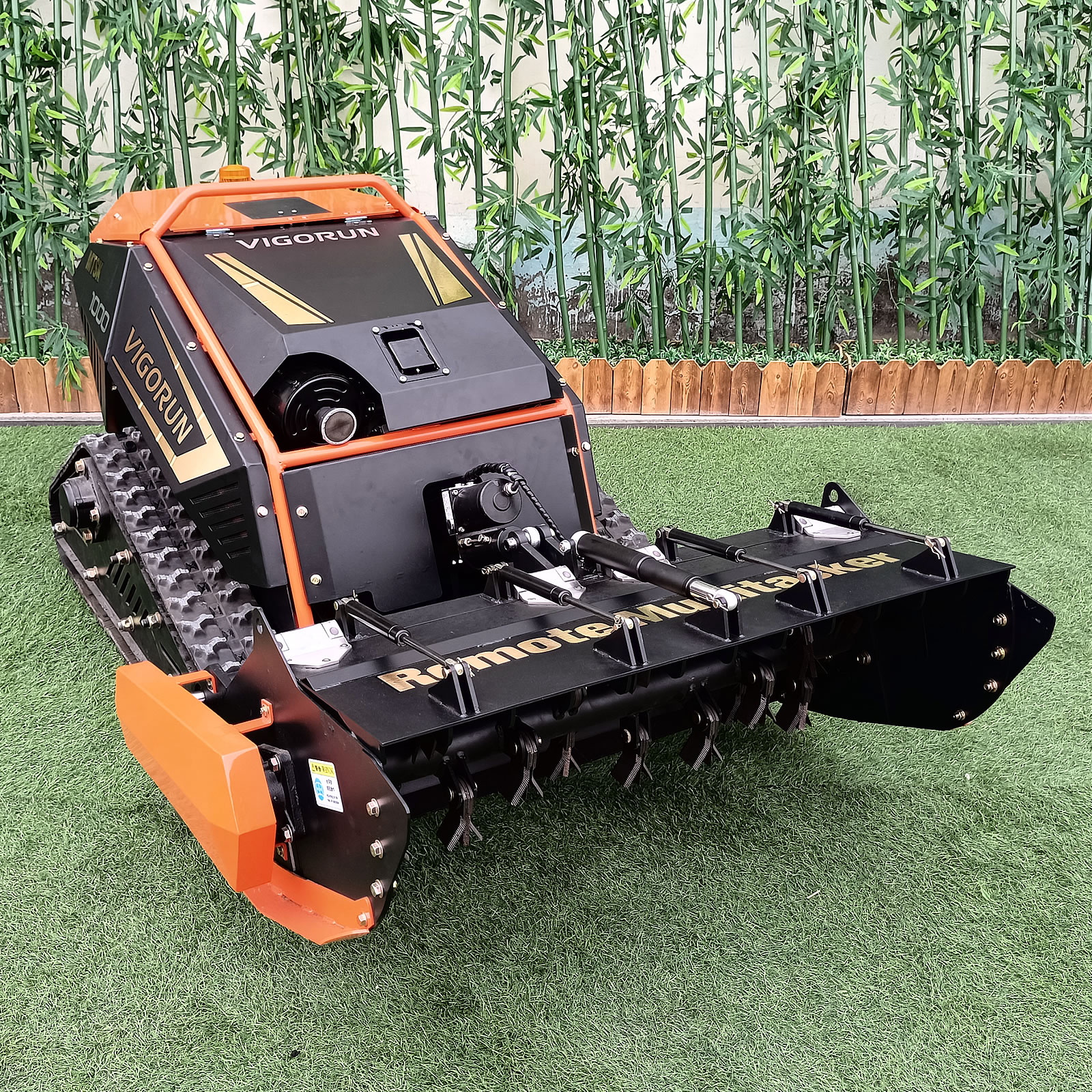 One of the standout features of this model is its intelligent servo controller, which precisely regulates motor speed and synchronizes the left and right tracks. This technology allows the mulcher to travel in a straight line without the need for constant adjustments from the operator. As a result, the workload is significantly reduced, and the risks associated with over-correction on steep slopes are minimized, leading to a more efficient and safer operation.
Additionally, the machine’s electric hydraulic push rods enable remote height adjustment of attachments, offering users greater flexibility and control over their work. Whether dealing with varying landscape heights or adapting to different material types, operators can easily adjust the settings to achieve optimal results. This level of customization not only enhances performance but also contributes to overall user satisfaction and productivity.
One of the standout features of this model is its intelligent servo controller, which precisely regulates motor speed and synchronizes the left and right tracks. This technology allows the mulcher to travel in a straight line without the need for constant adjustments from the operator. As a result, the workload is significantly reduced, and the risks associated with over-correction on steep slopes are minimized, leading to a more efficient and safer operation.
Additionally, the machine’s electric hydraulic push rods enable remote height adjustment of attachments, offering users greater flexibility and control over their work. Whether dealing with varying landscape heights or adapting to different material types, operators can easily adjust the settings to achieve optimal results. This level of customization not only enhances performance but also contributes to overall user satisfaction and productivity.