Table of Contents
Powerful Performance of the CE EPA Strong Power 100cm Cutting Blade Compact RC Flail Mower
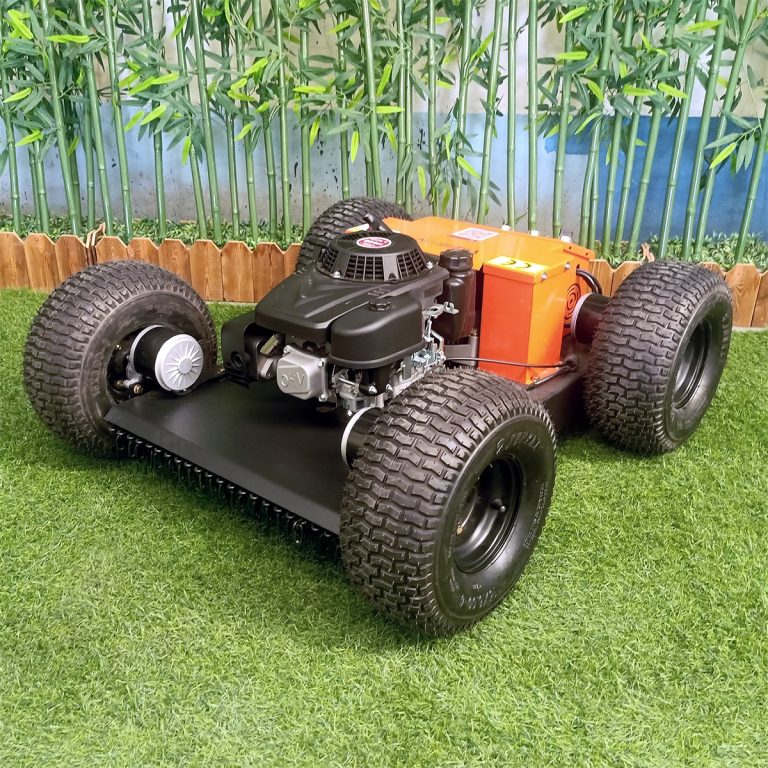
 The CE EPA strong power 100cm cutting blade compact RC flail mower boasts an impressive V-type twin-cylinder gasoline engine. This machine is powered by the Loncin brand model LC2V80FD, which delivers a formidable rated power of 18 kW at 3600 rpm. With its robust 764cc gasoline engine, it ensures reliable performance and efficiency, making it a top choice for various mowing tasks.
 Equipped with a clutch that engages only upon reaching a predetermined rotation speed, this mower guarantees optimal functionality while enhancing safety. The design prevents unnecessary strain on the engine and prolongs its lifespan, making it a worthy investment for both residential and commercial use.

 In addition to its powerful engine, the CE EPA strong power 100cm cutting blade compact RC flail mower features advanced torque capabilities. The worm gear reducer significantly multiplies the torque output from the servo motor, providing immense climbing resistance. This feature is crucial when navigating steep terrains, as it ensures stability and control throughout operation.
Versatile Applications and Enhanced Safety Features
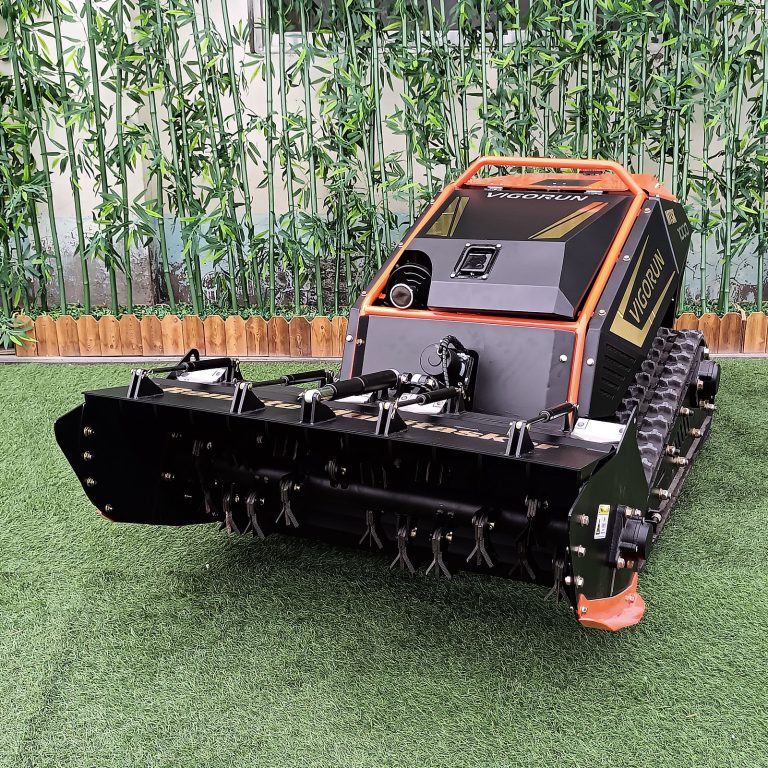
The CE EPA strong power 100cm cutting blade compact RC flail mower is designed for versatility, accommodating various attachments to suit different tasks. It can be outfitted with a 1000mm-wide flail mower, hammer flail, forest mulcher, angle snow plow, or snow brush. This adaptability makes it perfect for heavy-duty grass cutting, shrub clearing, vegetation management, and snow removal, allowing users to tackle a wide range of challenges. One of the standout features of this mower is its intelligent servo controller, which meticulously regulates motor speed while synchronizing the left and right tracks. This advanced technology not only enhances the machine’s ability to travel in a straight line but also reduces the operator’s workload. By minimizing the need for constant adjustments, it significantly lowers the risks associated with overcorrection, especially on steep slopes.