Table of Contents
Features of the CE EPA Approved Gasoline Engine Snow Brush
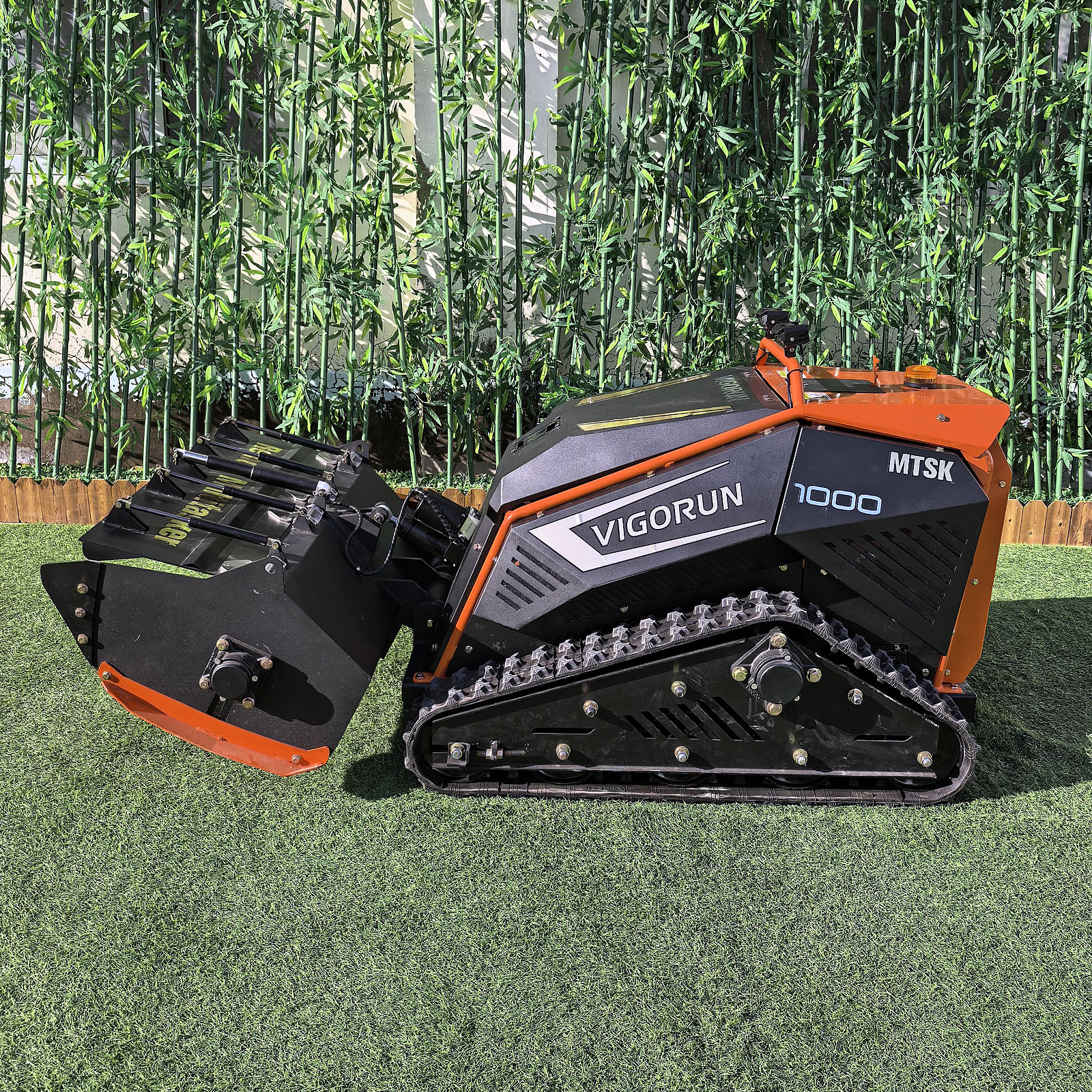
 The CE EPA approved gasoline engine adjustable blade height by remote control crawler radio controlled snow brush is a remarkable machine designed to tackle snow removal with efficiency and ease. Powered by a robust V-type twin-cylinder gasoline engine, specifically the Loncin brand model LC2V80FD, this snow brush offers an impressive rated power of 18 kW at 3600 rpm. The 764cc engine ensures strong performance, allowing users to handle even the toughest snow-covered terrains.
Versatility and Efficiency in Snow Removal
 The CE EPA approved gasoline engine adjustable blade height by remote control crawler radio controlled snow brush is not just powerful; it is also incredibly versatile. Equipped with electric hydraulic push rods, users can easily adjust the height of the attachments remotely, allowing for customized snow removal based on varying conditions. This flexibility is essential for efficiently handling different types of snow and icy situations.
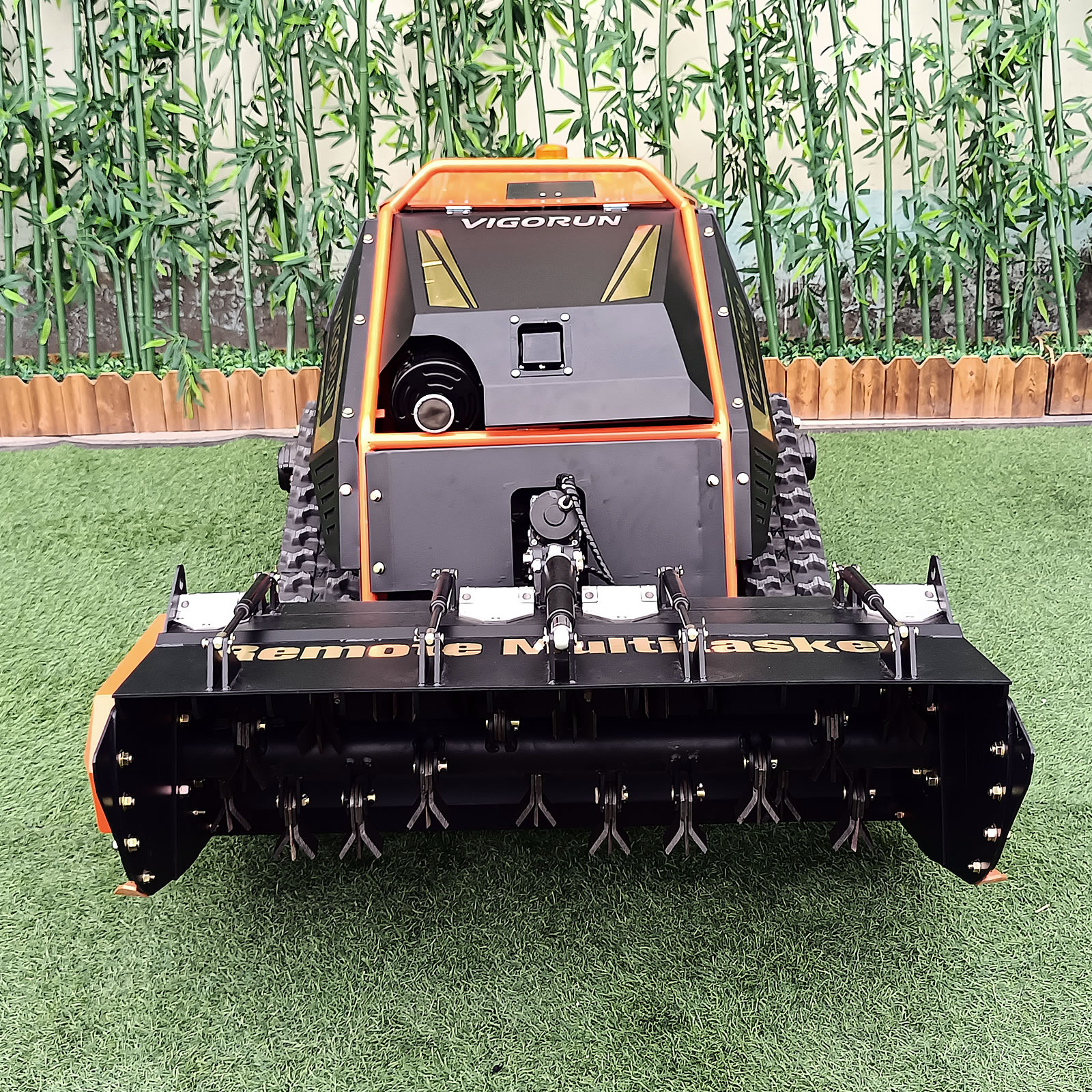
The innovative design of the MTSK1000 allows it to be equipped with various front attachments, including a 1000mm-wide flail mower, hammer flail, forest mulcher, angle snow plow, or snow brush. This multi-functional capability means that it can serve not only as a snow brush but also as a heavy-duty grass cutter and vegetation management tool. The adaptability of this machine makes it an invaluable asset for any landscaping or snow removal operation.
The CE EPA approved gasoline engine adjustable blade height by remote control crawler radio controlled snow brush is not just powerful; it is also incredibly versatile. Equipped with electric hydraulic push rods, users can easily adjust the height of the attachments remotely, allowing for customized snow removal based on varying conditions. This flexibility is essential for efficiently handling different types of snow and icy situations.
The innovative design of the MTSK1000 allows it to be equipped with various front attachments, including a 1000mm-wide flail mower, hammer flail, forest mulcher, angle snow plow, or snow brush. This multi-functional capability means that it can serve not only as a snow brush but also as a heavy-duty grass cutter and vegetation management tool. The adaptability of this machine makes it an invaluable asset for any landscaping or snow removal operation.
 Moreover, the snow brush is engineered with a high reduction ratio worm gear reducer that multiplies the strong torque of the servo motor. This results in immense output torque, which is crucial for climbing resistance. The mechanical self-locking feature further ensures that the machine remains stable, even on steep slopes, providing consistent performance regardless of power status.
The intelligent servo controller plays a critical role in the operational efficiency of the snow brush. By precisely regulating motor speed and synchronizing left and right tracks, it enables the machine to travel in a straight line without constant adjustments. This reduces the operator’s workload and minimizes risks associated with overcorrection, especially on challenging slopes.
Moreover, the snow brush is engineered with a high reduction ratio worm gear reducer that multiplies the strong torque of the servo motor. This results in immense output torque, which is crucial for climbing resistance. The mechanical self-locking feature further ensures that the machine remains stable, even on steep slopes, providing consistent performance regardless of power status.
The intelligent servo controller plays a critical role in the operational efficiency of the snow brush. By precisely regulating motor speed and synchronizing left and right tracks, it enables the machine to travel in a straight line without constant adjustments. This reduces the operator’s workload and minimizes risks associated with overcorrection, especially on challenging slopes.