Table of Contents
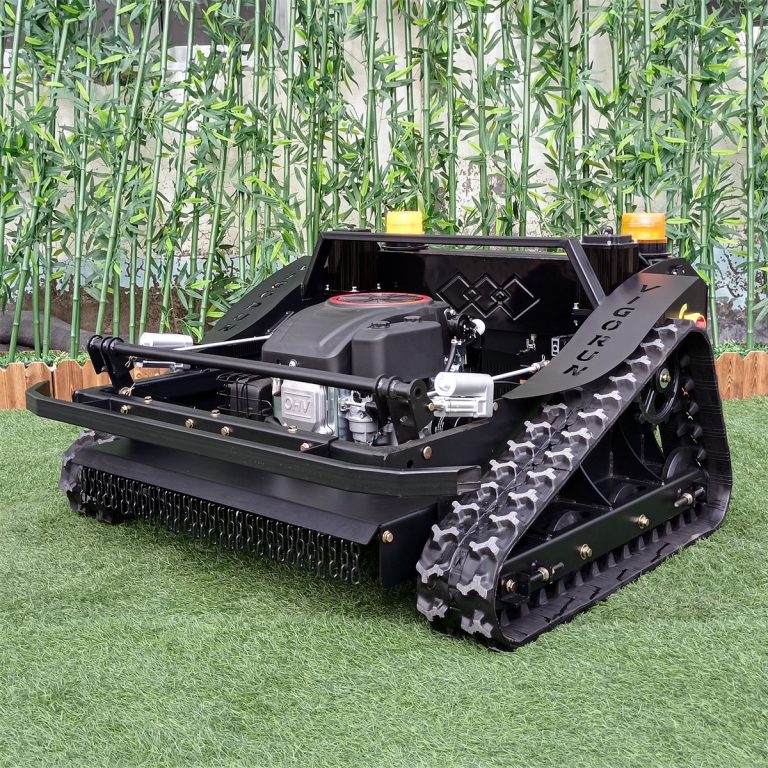
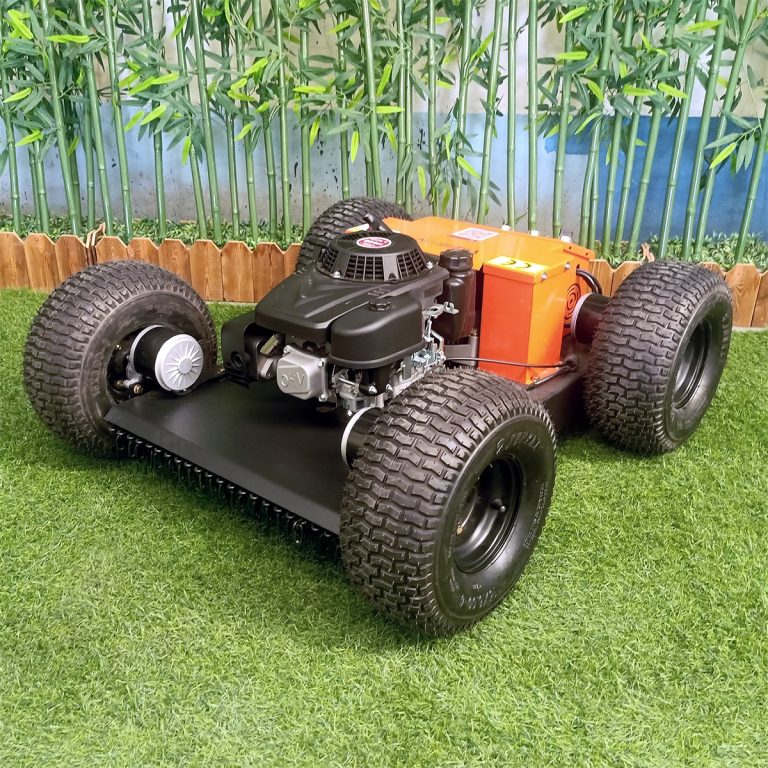
Features of the 2 Cylinder 4 Stroke Gasoline Engine Electric Battery Crawler Wireless Brush Mulcher
The 2 cylinder 4 stroke gasoline engine electric battery crawler wireless brush mulcher is a cutting-edge machine designed to tackle various outdoor tasks with unmatched efficiency. Its robust V-type twin-cylinder gasoline engine, specifically the Loncin brand model LC2V80FD, boasts a rated power of 18 kW at 3600 rpm. The powerful 764cc engine ensures strong performance, making it suitable for both heavy-duty grass cutting and vegetation management.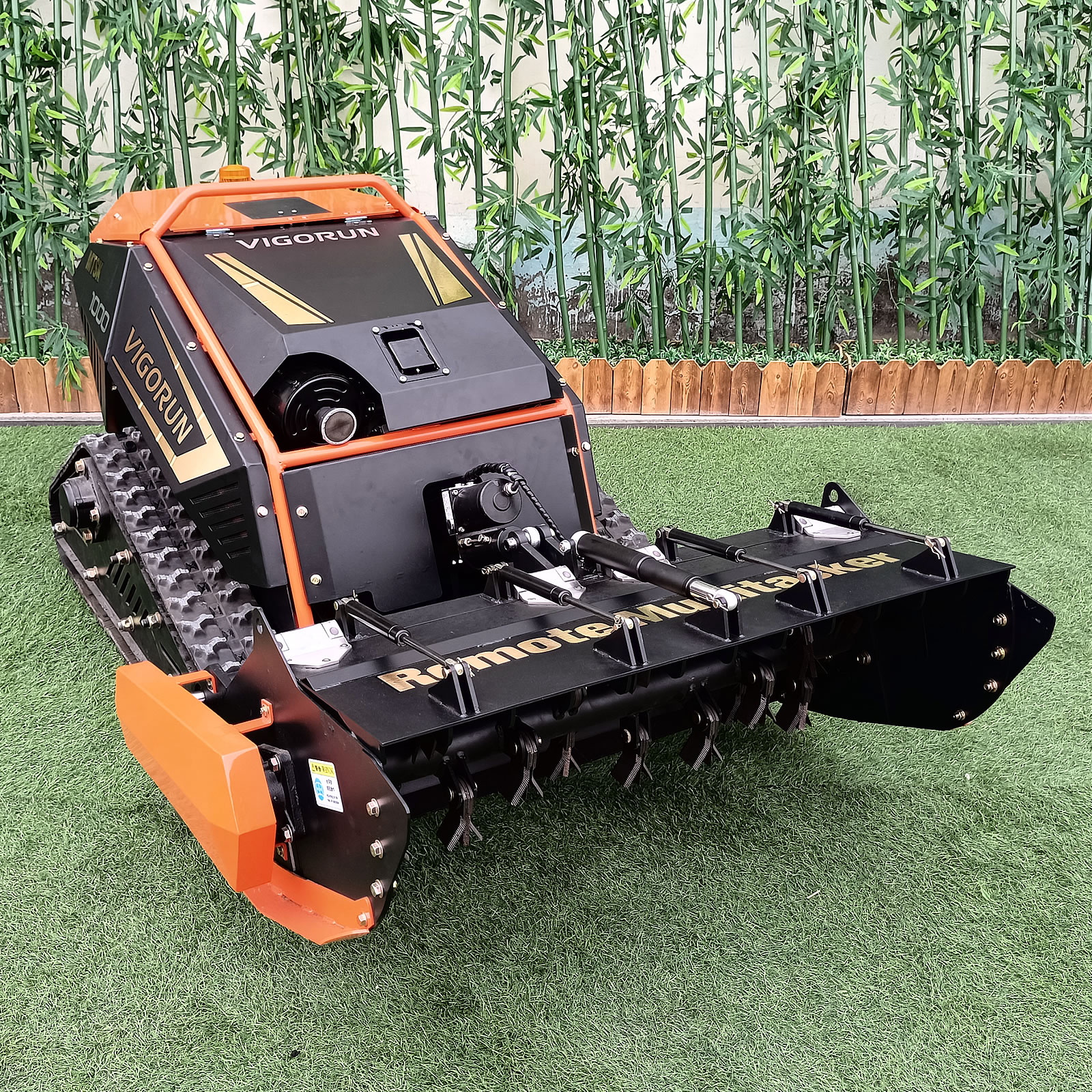 Equipped with a clutch that engages only when the engine reaches a predetermined rotation speed, this mulcher offers precise control during operation. This feature enhances the longevity of the engine and provides a smoother experience for the operator. The thoughtful engineering behind the engine design ensures that the mulcher performs optimally even under challenging conditions.
 Furthermore, the versatility of the machine is highlighted by its ability to accommodate various attachments. Designed for multi-functional use, the 2 cylinder 4 stroke gasoline engine electric battery crawler wireless brush mulcher can be fitted with attachments such as flail mowers, forest mulchers, and snow brushes. This adaptability makes it an ideal choice for numerous applications in landscaping and maintenance.
Operational Efficiency and Safety
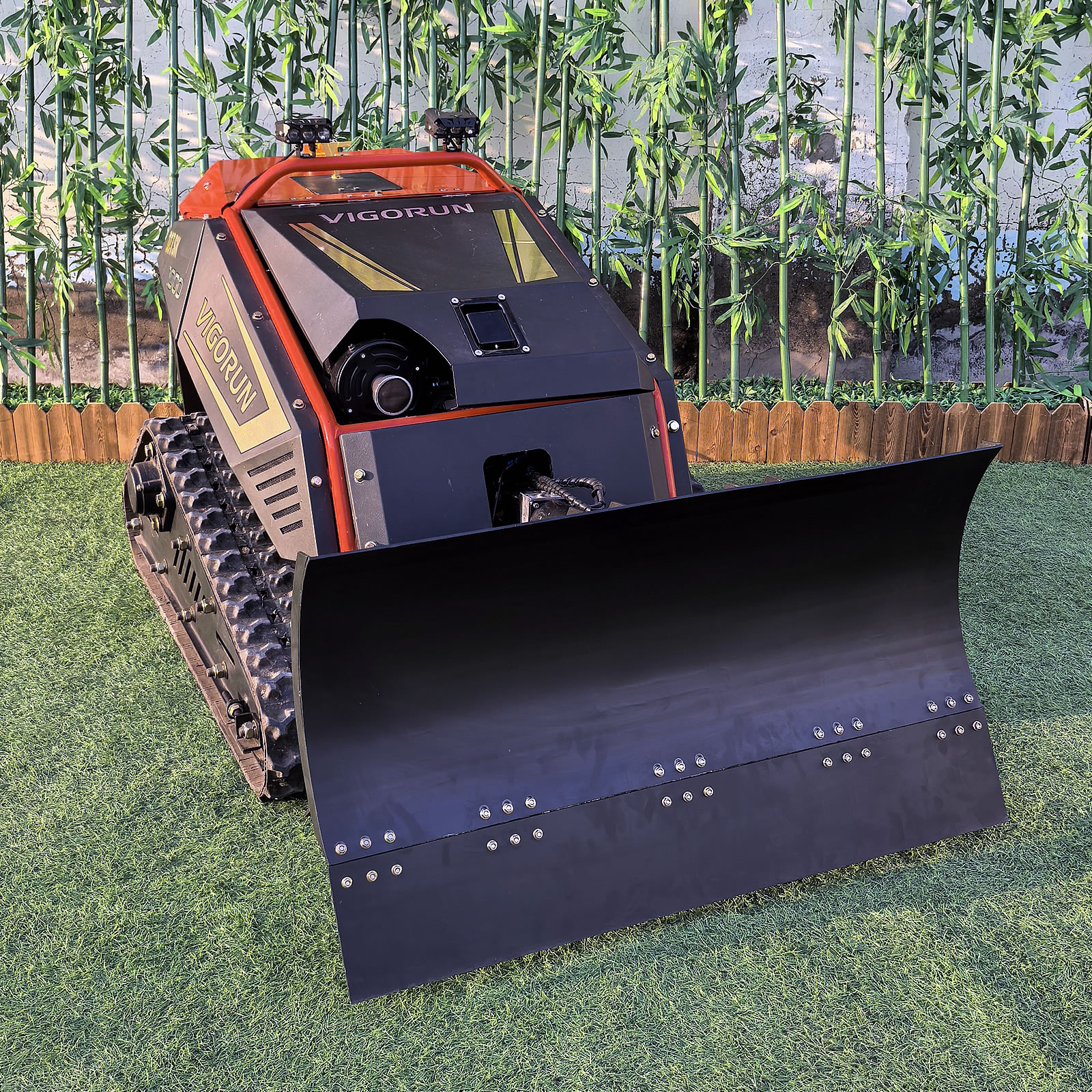 The machine is powered by two 48V 1500W servo motors, providing significant climbing capability and ensuring robust performance across varied terrains. A built-in self-locking function guarantees that the mulcher only moves when both power is engaged and throttle is applied, effectively preventing unintended sliding. This feature significantly enhances operational safety, allowing users to focus on their task without worrying about the machine’s stability on slopes.

 By using a 48V power configuration rather than the more common 24V systems, the 2 cylinder 4 stroke gasoline engine electric battery crawler wireless brush mulcher reduces current flow and heat generation. This not only extends continuous operation time but also diminishes overheating risks, ensuring stable performance even during extended tasks. The machine is built to handle demanding conditions while maintaining reliability and efficiency.