Table of Contents
Advanced Technology in Tracked Radio Controlled Brush Mulcher

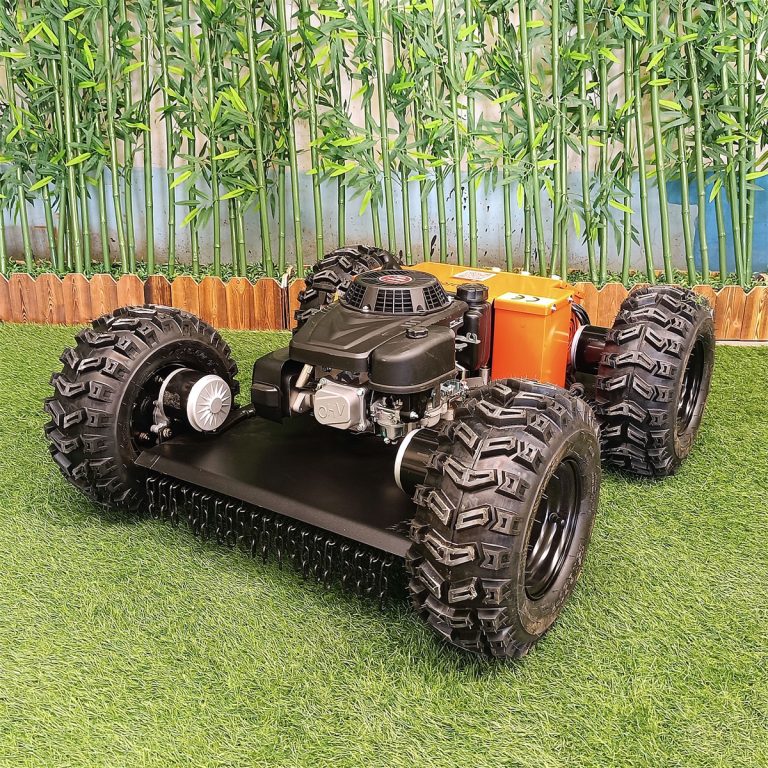
 The tracked radio controlled brush mulcher China manufacturer factory, Vigorun Tech, stands out with its innovative machinery powered by a V-type twin-cylinder gasoline engine. This powerful engine, the Loncin brand model LC2V80FD, boasts a rated power of 18 kW at 3600 rpm and a robust 764cc capacity. Such specifications ensure that the mulcher delivers exceptional performance necessary for heavy-duty tasks.
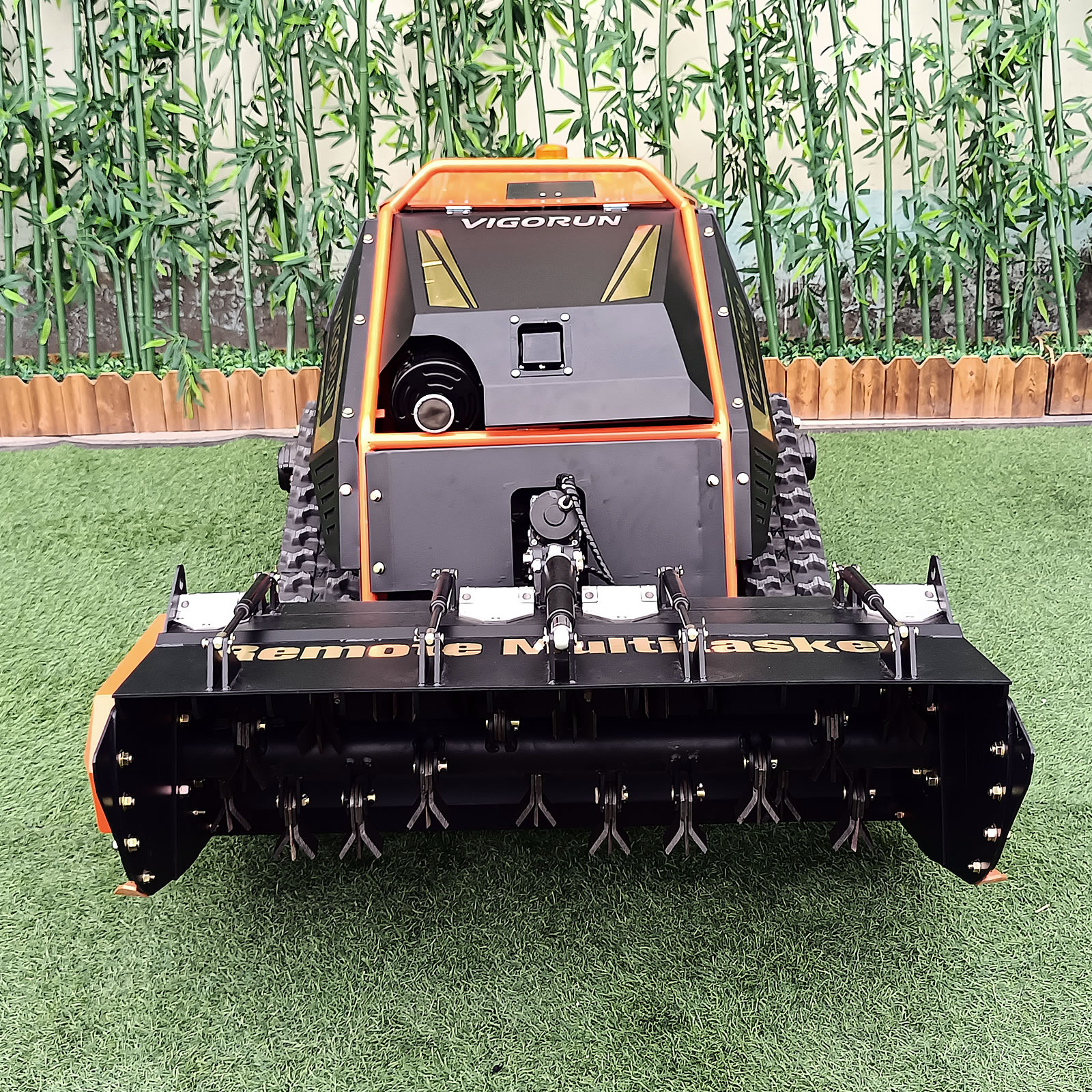 Equipped with a sophisticated clutch system, the engine engages only when it reaches a specific rotation speed, enhancing efficiency during operation. This feature allows operators to focus on their work without concern for unnecessary wear on the machinery, ensuring longevity and reliability in demanding environments.
The high reduction ratio worm gear reducer in the brush mulcher amplifies the torque produced by the servo motors. This means that even when faced with steep inclines, the machine can climb effectively. Additionally, the mechanical self-locking feature prevents unwanted movement during power loss, offering peace of mind and safety for operators working on slopes.
Equipped with a sophisticated clutch system, the engine engages only when it reaches a specific rotation speed, enhancing efficiency during operation. This feature allows operators to focus on their work without concern for unnecessary wear on the machinery, ensuring longevity and reliability in demanding environments.
The high reduction ratio worm gear reducer in the brush mulcher amplifies the torque produced by the servo motors. This means that even when faced with steep inclines, the machine can climb effectively. Additionally, the mechanical self-locking feature prevents unwanted movement during power loss, offering peace of mind and safety for operators working on slopes.
Multi-Functional Capabilities for Versatile Applications
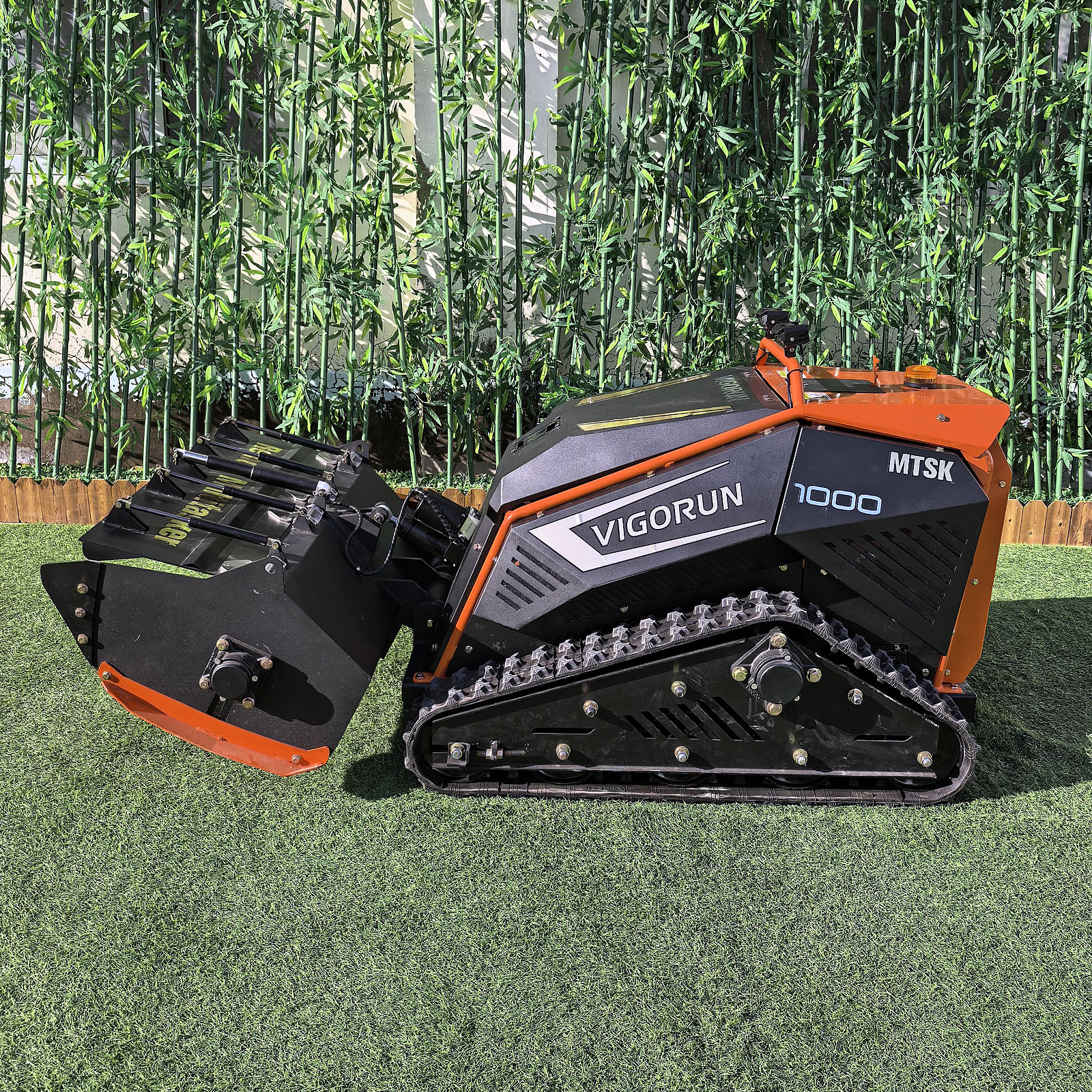
 The tracked radio controlled brush mulcher China manufacturer factory is designed with versatility in mind. The innovative MTSK1000 model accommodates a range of interchangeable front attachments. From a 1000mm-wide flail mower to a hammer flail or forest mulcher, this machine excels in various applications including grass cutting, shrub and bush clearing, and vegetation management.
Furthermore, the electric hydraulic push rods allow for remote height adjustments of these attachments, providing operators with precise control over their work. This adaptability makes the mulcher an ideal choice for anyone needing to tackle multiple landscaping challenges efficiently.
The tracked radio controlled brush mulcher China manufacturer factory is designed with versatility in mind. The innovative MTSK1000 model accommodates a range of interchangeable front attachments. From a 1000mm-wide flail mower to a hammer flail or forest mulcher, this machine excels in various applications including grass cutting, shrub and bush clearing, and vegetation management.
Furthermore, the electric hydraulic push rods allow for remote height adjustments of these attachments, providing operators with precise control over their work. This adaptability makes the mulcher an ideal choice for anyone needing to tackle multiple landscaping challenges efficiently.